Next.js and WordPress solve overlapping but different problems. WordPress combines publishing and content administration in a widely used CMS. Next.js is a React framework for building interfaces and server-backed applications. A Next.js project still needs an editing system if a non-technical team will manage its content.
Start with who edits the website
For a team publishing pages and articles frequently, evaluate the actual editor, roles, preview workflow and media library. A well-built WordPress site can be a practical choice. Test changes with the people who will maintain the site; do not choose a CMS only because a developer prefers it.
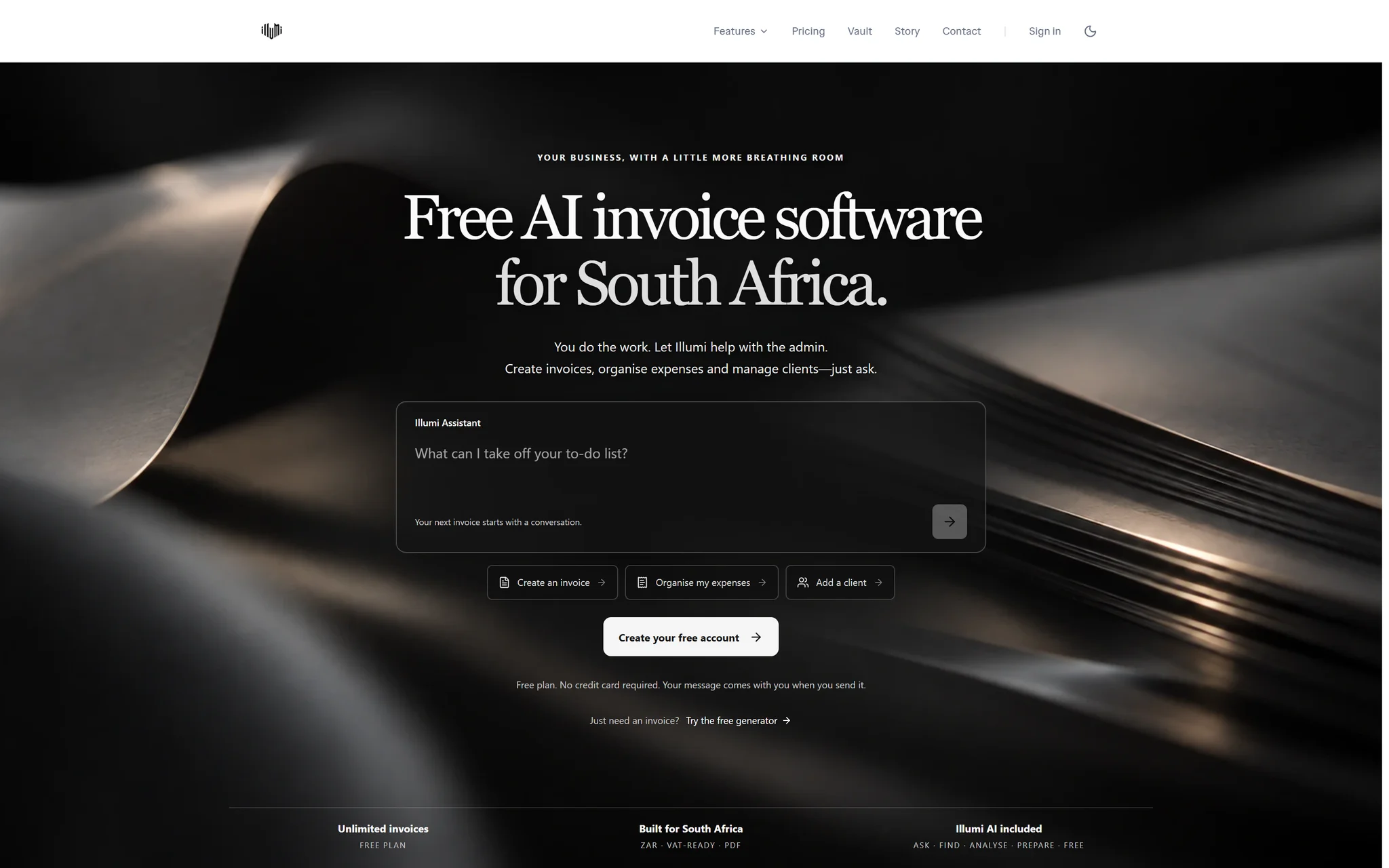
For a custom dashboard, permissions model or application workflow, Next.js may give the development team more control. Our Illumi project describes an invoicing and business-management interface. Its needs differ from a marketing site whose main job is publishing service information.
Speed and security are implementation questions
Neither platform guarantees a fast website. Large images, third-party scripts, inefficient queries and excessive client-side code can slow either stack. Compare representative production pages using both lab tests and real-user measurements when available.
Next.js applications can use databases, authentication, payment providers and third-party dependencies. They are not immune to security failures. WordPress needs responsible plugin selection, updates and access controls; custom applications need dependency updates, server-side authorization, backups and monitoring too.
Compare the complete cost
- Content entry, migration and editor training.
- Hosting, backups and staging environments.
- Paid extensions, integrations and maintenance responsibilities.
- Developer availability and handover documentation.
- The effort needed to change the design or data model later.
Pixaloom works with both WordPress and custom application stacks. Our recommendation follows your content workflow, integration needs and ownership requirements. Ask for those decisions in a website design brief, or explore custom web application development when users need accounts and operational tools. Choose the smallest maintainable solution that genuinely fits the job.